


Why Shakespeare?
- Richard Clarke

- Feb 17
- 4 min read
Updated: Feb 18

This is a question I'm asked a lot, why did you use Shakespearean soliloquies to build your script?
I tried to write a screenplay using modern language, but as it grew I found it wasnt getting the message across, I read a lot of articles on the subject of Domestic Abuse, from survivors and experts in the field, I devoured hours and hours of documentaries on the subject, even watched other short films on the subject. They all seem to have a similar approach and feel to their productions.
But I wanted a new way of approaching this subject and I felt what better way than to use the words of the Bard, I hope that this would make people think about and better still talk about this subject, hence this shakespeare inspired script.:
"I will have such revenges on you, What they are, yet I know not, but they shall be the terrors of the earth"
(King Lear: Act 2, Scene 4)
So after a lot of research and reading Shakespeare's plays I was able to build a script around the theme of domestic abuse from plays like Macbeth, Taming of The Shrew, Hamlet etc.
Where did the title of the film come from?

I played around with several title ideas as the script was progressing, and as I read more and more about the experiences that woman had with domestic abuse, the more I came to see that the abuse was relentless, it wasn't just a one off, it kept on happening on a daily basis. The abuse was not only physical, it was emotional and financial. It went on, and on and on.
Then I read Macbeth's soliloquy when he learns about Lady Macbeth's death. (Act 5, Scene 5) We see him reflecting on the nature of time and life, and his weariness and despair as he realises the endless, repetitive nature of days marching towards death, and the lack of meaning in the past and present. This highlighted to me the repetitive nature of the abuse that woman go through and their feeling of despair that it never stops, it just keeps on going - "Tomorrow, and Tomorrow, and Tomorrow".
What was your approach to the films theme?
I decided early on that I wasn't going to go down the route that other short films take and that is how the abuser treats the woman. That has been covered a lot. I wanted to look at the choices that woman have to face, I selected two:
Suicide
Revenge
Suicide isn't that common, but I felt it could be portrayed using Hamlet's soliloquy:
"To be, Or not to be"
(Hamlet: Act 3, Scene 1)
It allowed me to get Alice to pose the question of whether enduring life's hardships (her abuse) or to die and end them. She contemplates the suffering of living with the abuse versus her own death:
"whether 'tis nobler in the mind to suffer the slings and arrows of outrageous fortune, Or to take arms against a sea of troubles, and by opposing end them."
She takes pills washed down with alcohol, enough to make her drowsy.
Using Macbeth's soliloquy:
"Is this a dagger which I see before me.."
(Macbeth: Act 2 Scene 1)
I was able to craft a scene where Alice begins to hallucinate due to the pills and alcohol she has consumed, I used this as the manifestation of all the abuse she has suffered and a foreshadowing of how she can end the abuse.

This then moves Alice from contemplating suicide into revenge. The struggle she has with the thought of committing murder is the same as she had with taking her own life. With the help of her friend Portia:
"When he is asleep, where to the rather shall his day's hard drinking soundly invite him... What cannot you perform upon his unguarded person?".
(Macbeth: Act 1, Scene 7)
She overcomes these doubts and makes up her mind to kill Edmund. With knife in hand she makes her move, but just before she does, she has to steal herself before she carries out the act of revenge. I have used Lady Macbeth's soliloquy:
"Come you spirits that tend on mortal thoughts, unsex me here, and fill be from the crown to the toe top-full of direst cruelty!"
(Macbeth: Act 1 Scene 5)
In her drunk hallucinate state she calls upon evil spirits to strip away her feminine qualities, compassion, empathy, allowing her to have her revenge without remorse.
What is the Main Theme of the film?
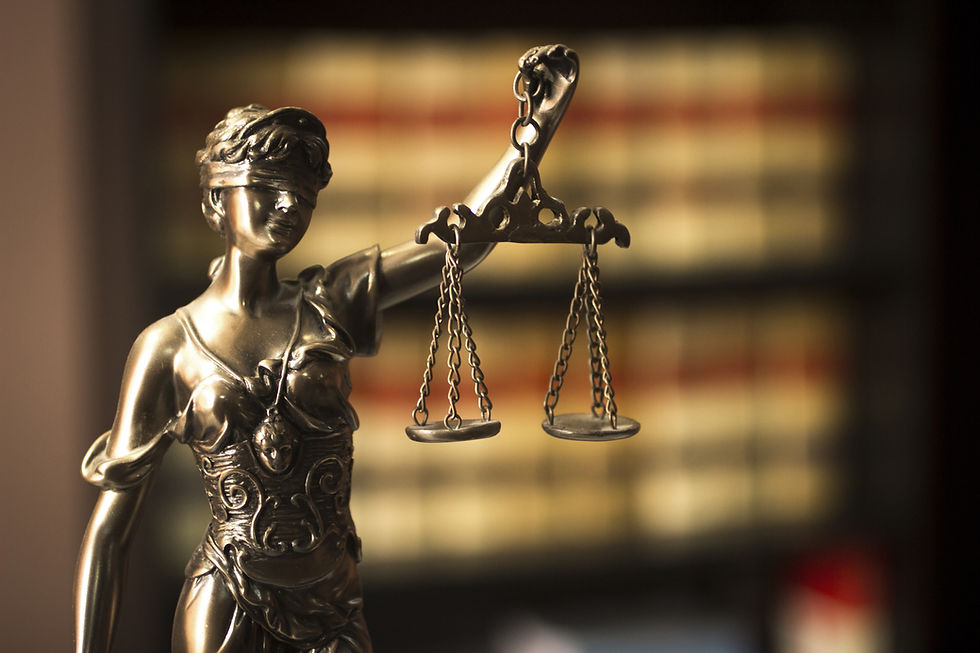
In some scenarios the victim could be viewed as a hero, but in seeking revenge does the victim become the villain?
It is an interesting idea because although the victim feels they have the right to justice by taking revenge, it is against the law. The conventional way would always be lawful.
But sometimes lawful means are not an option.
The main theme is the disportiate sentencing that a woman in this situation gets. 71% of women who kill their abusers used a knife. The use of a weapon carries a longer prison sentence. 43% of these women were convicted of murder and 46% for manslaughter. Of those convicted of murder, 33% were sentenced to 20 years or more, and 35% to 15 years or more.

When these women are sentenced, I think the following should be taken into account; the years of physical abuse, more often than not the abused being hospitalised. The emotional toil from the years of abuse that the women have had to endure, and the neglect from the police and judiciary when it comes to protecting women from domestic abuse.
I want to start a conversation about the length of these prison sentences - that is why I'm making this film.



Comments